Sponsored by Qualcomm logo
April 2026

Code4City Hackathon

Build something cities need.

Code4City is an urban-focused hackathon organised by the Applied Urban Science Association. It brings together builders, researchers, and problem-solvers to create practical tools that respond to real city needs.

Code4City Hackathon
April 2026 Recap

April 2026

Sponsored by Qualcomm logo
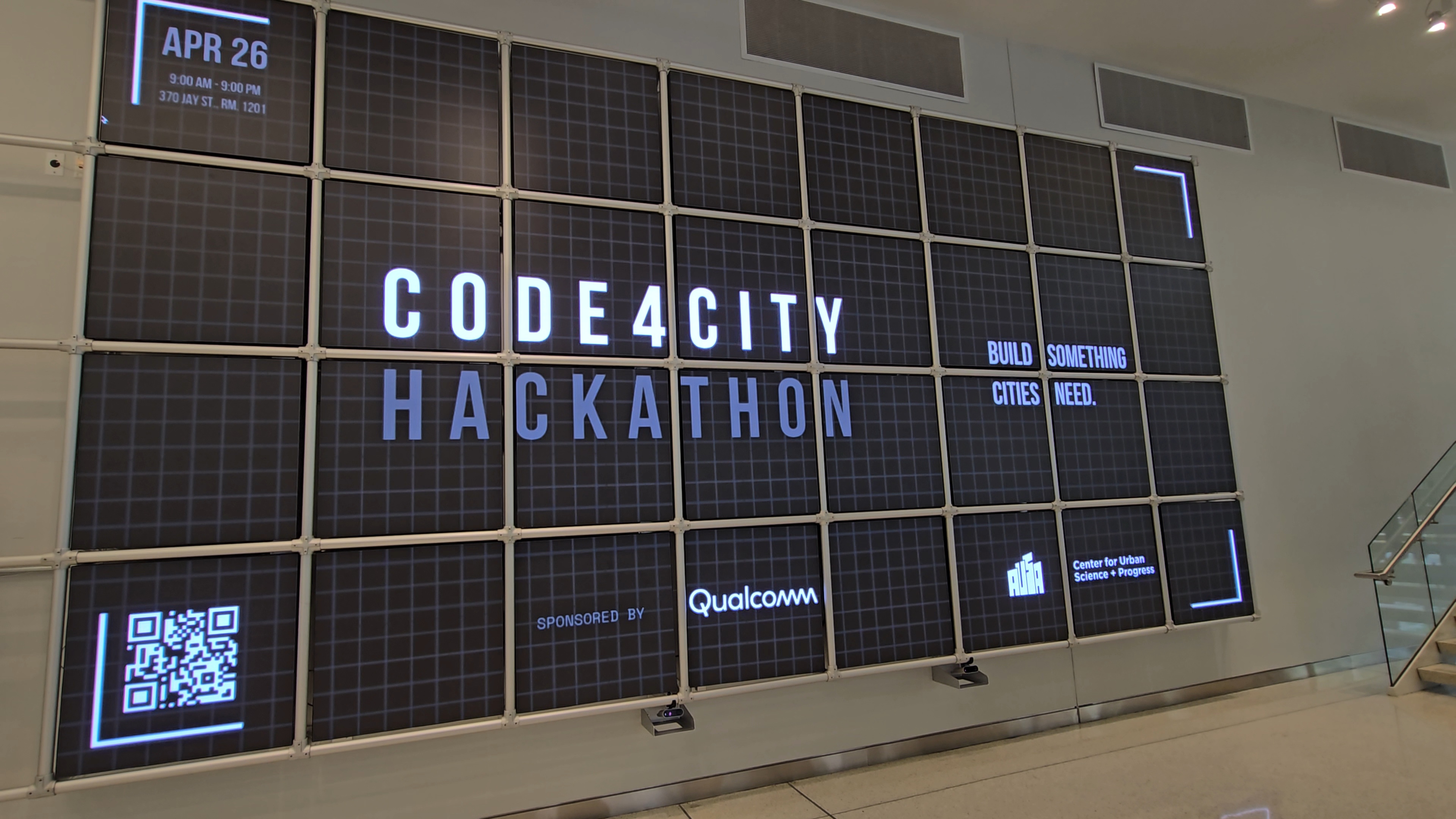
Code4City Hackathon event cover

Code4City Hackathon, an urban themed hackathon had its first edition held on April 26, 2026, organized by the Applied Urban Science Association in partnership with Qualcomm and the NYU Center for Urban Science and Progress. The goal was to bring together students, professionals, builders, and urban thinkers to create tools that respond to real city problems with clarity, usefulness, and technical depth.

The event drew more than 80 registrations in roughly two weeks, even right before finals week. More than 40 teams applied, and 15 were shortlisted to compete. Within a 12-hour event window that included 8 hours of build time, teams worked on projects across transit, zoning, accessibility, urban intelligence, and infrastructure resilience. Judges noted that several of the projects already felt ready for the market, which captured exactly what made the day stand out.

General Theme

What Code4City was about

Code4City focused on building practical tools for urban life. Teams were encouraged to use technology not as a gimmick, but as a way to make city systems easier to understand, navigate, simulate, and improve. The strongest ideas stayed close to the lived complexity of New York City and asked how software, data, models, and better interfaces could help people make better decisions.

The challenge space included mobility, housing, infrastructure, climate, public safety, accessibility, and urban decision-making. Participants were asked to align with at least one technical direction while addressing a real-world urban problem. That produced a wide spread of approaches, from zoning simulation and transit planning to accessibility routing and multi-agent infrastructure monitoring.

Advanced LLM Agents Geospatial Intelligence Machine Learning Computer Vision IoT and Smart Sensing AR and VR Optimization and Simulation Urban Mobility Housing and Infrastructure Climate and Sustainability Public Safety Accessibility Urban AI

Recap

Code4City

What can be built in 12 hours? At Code4City, quite a lot. Hosted at NYU Tandon School of Engineering, the hackathon brought together people who cared about urban systems and gave them a tight timeline, interesting constraints, and meaningful problems to work on. The result was a room full of projects that did not just demo well, but felt grounded in real civic use cases.

Participants built with a clear sense of purpose. Some teams focused on helping people move through the city more intelligently. Others explored zoning policy, infrastructure resilience, and accessibility. The throughline was that the work stayed close to city reality. Instead of abstract AI prototypes, teams built systems that could help explain tradeoffs, surface hidden risks, or make urban data more legible to the people who need it.
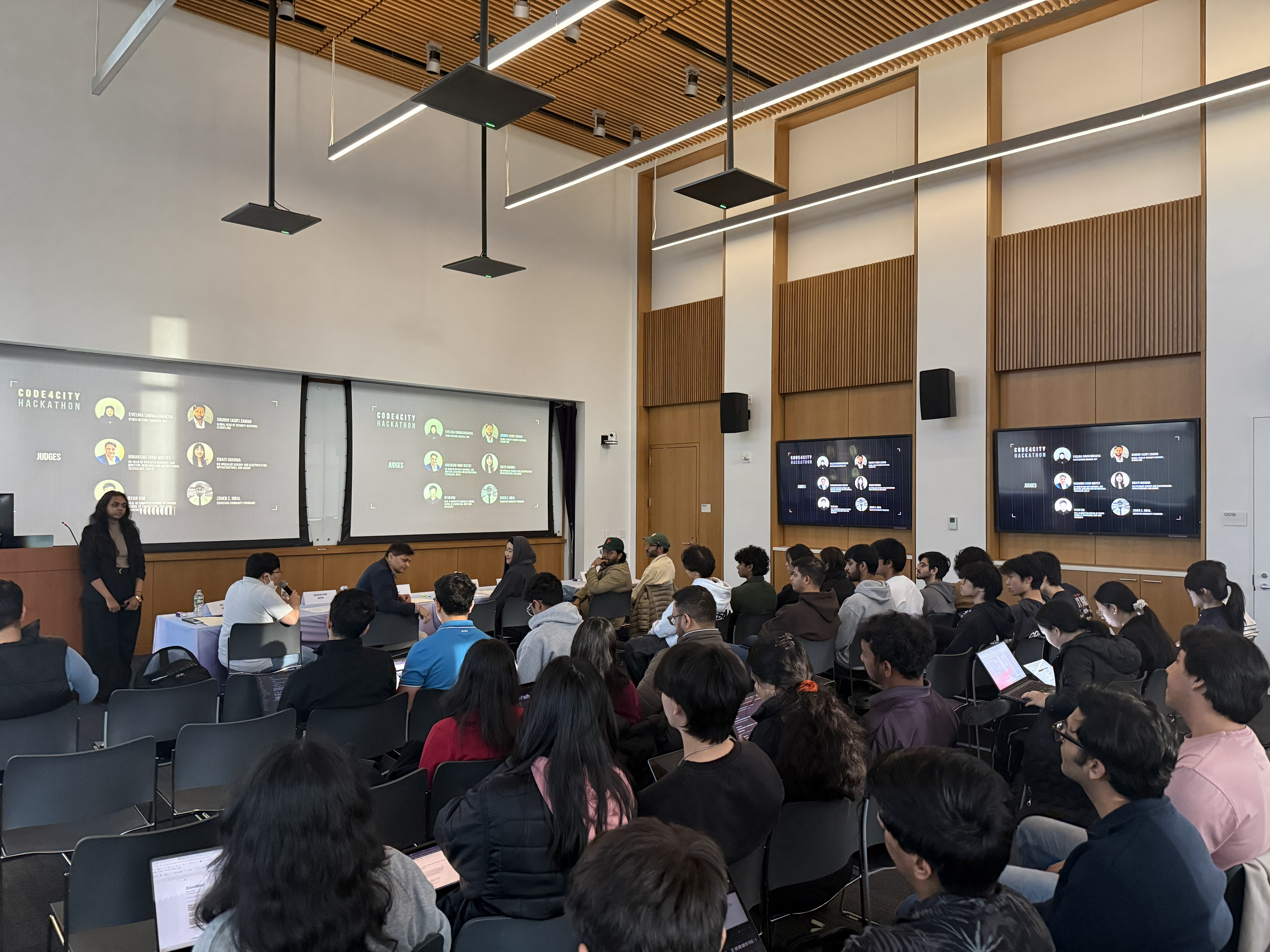
Participants building during the Code4City hackathon

Participants building during Code4City

Support during the event came through mentors, curated tutorials, technical guidance, and pre-final demo feedback. That structure helped teams move faster without losing ambition. It also made the event feel collaborative rather than purely competitive. People were clearly pushing to build strong projects, but there was also a visible sense that everyone was there to help ideas become more concrete and more useful.

The judges brought a strong mix of industry, research, infrastructure, and community-building perspectives. Their feedback reinforced something the event already made visible: urban science is full of difficult, high-value problems, and when interdisciplinary teams get access to data, domain context, and a real deadline, the results can be surprisingly mature. Several projects gave a real sneak peek into what city-focused tools could become if taken beyond a single hackathon day.
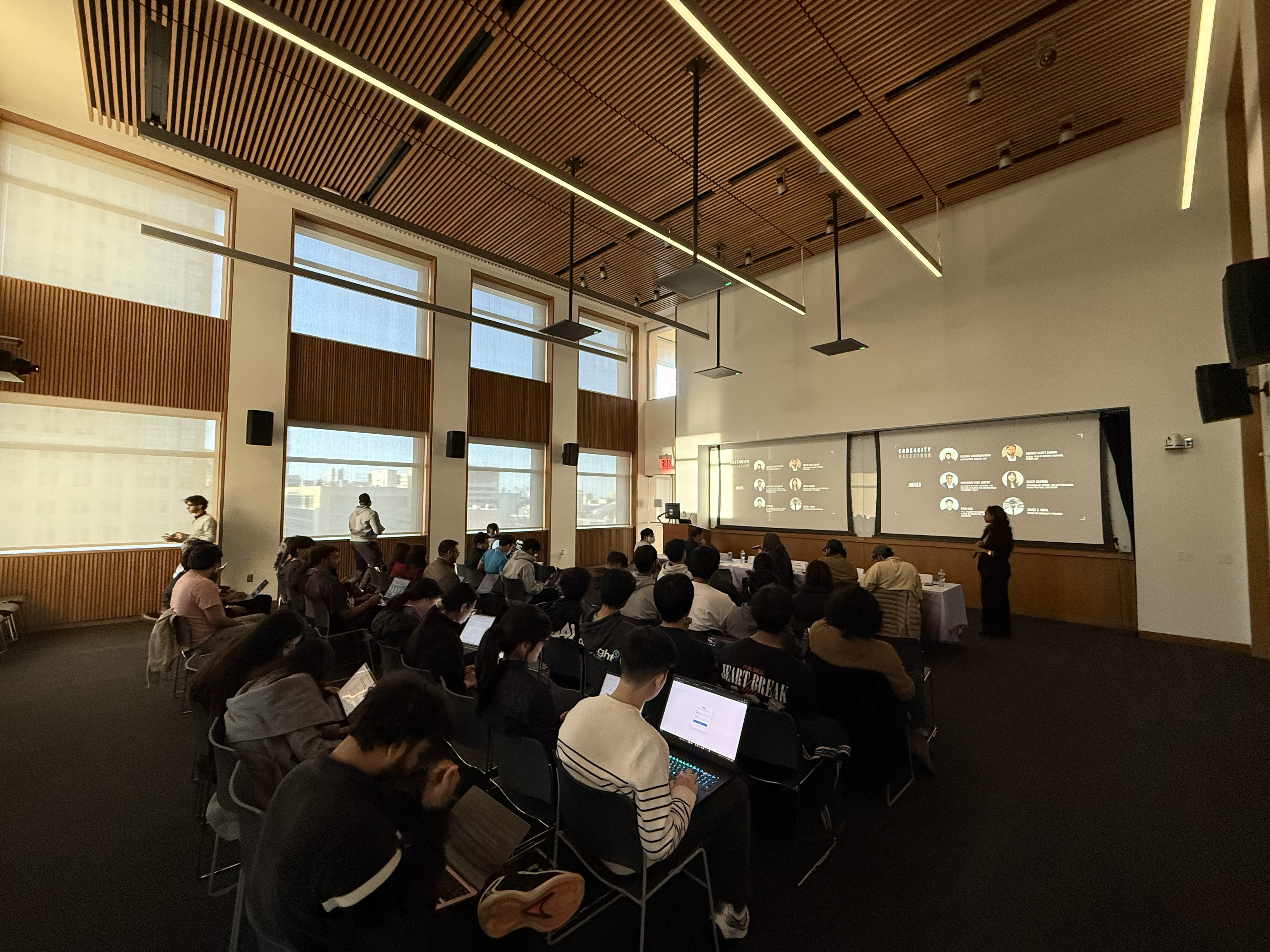
Teams collaborating at Code4City

Teams collaborating throughout the day

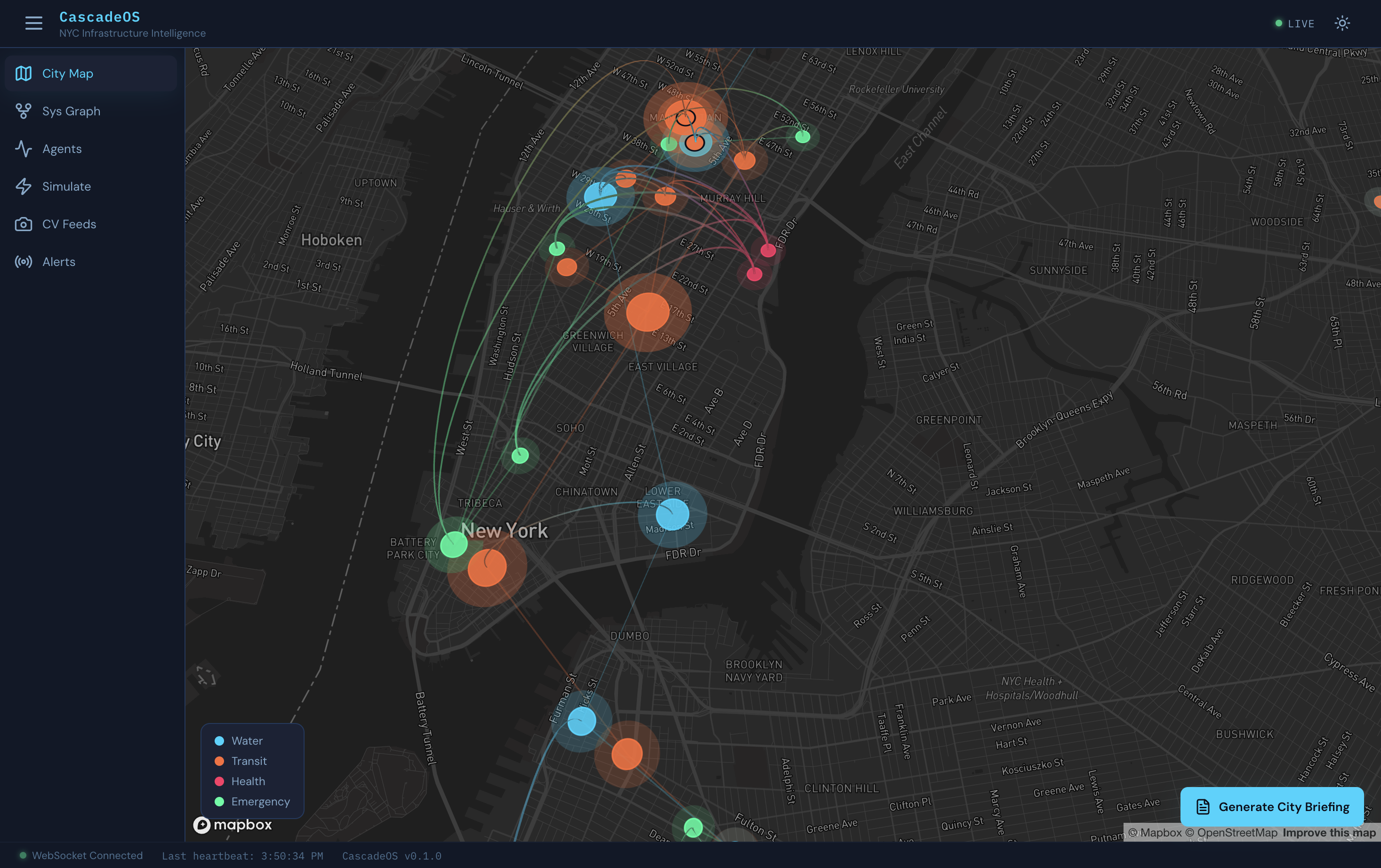
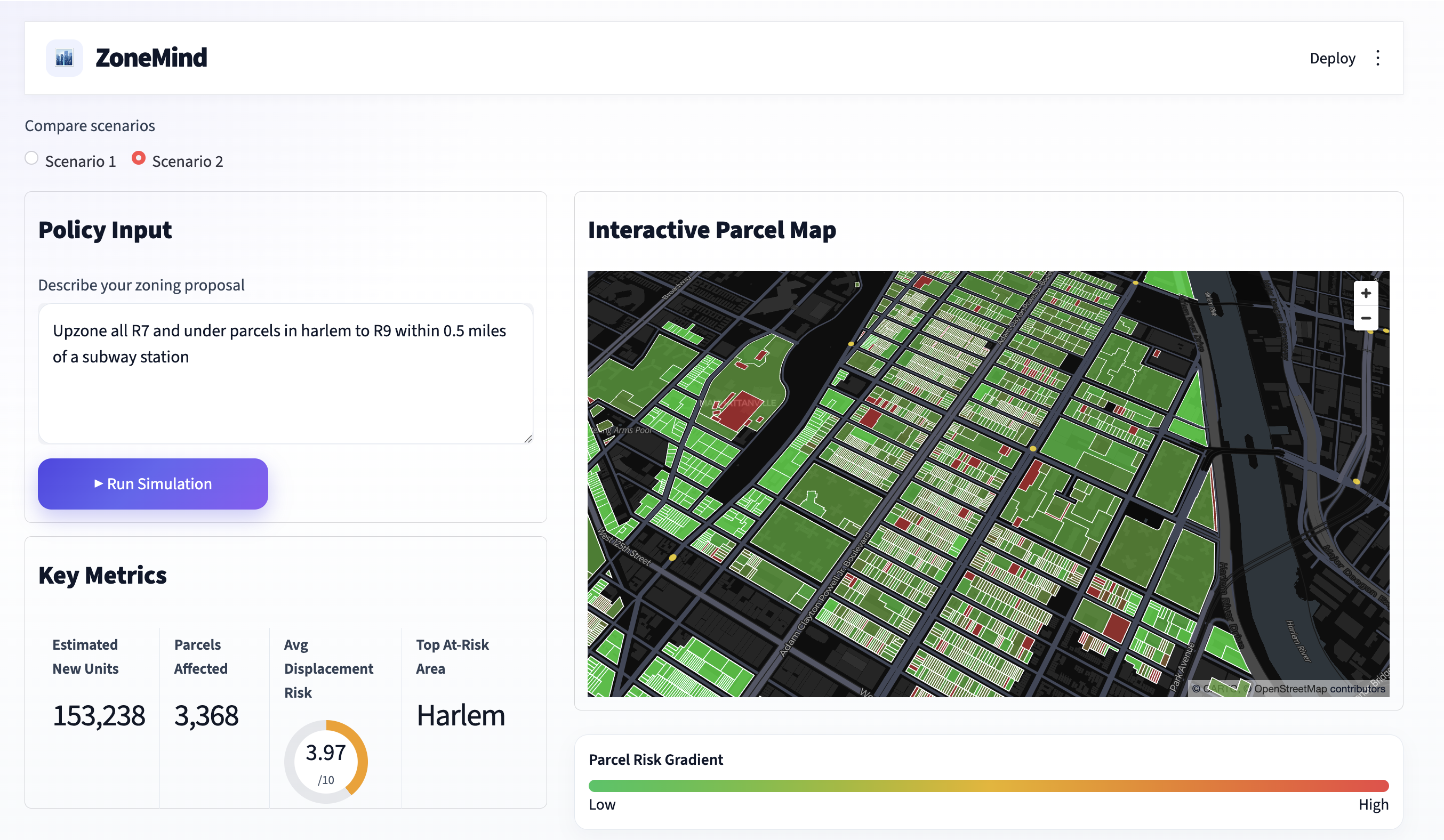
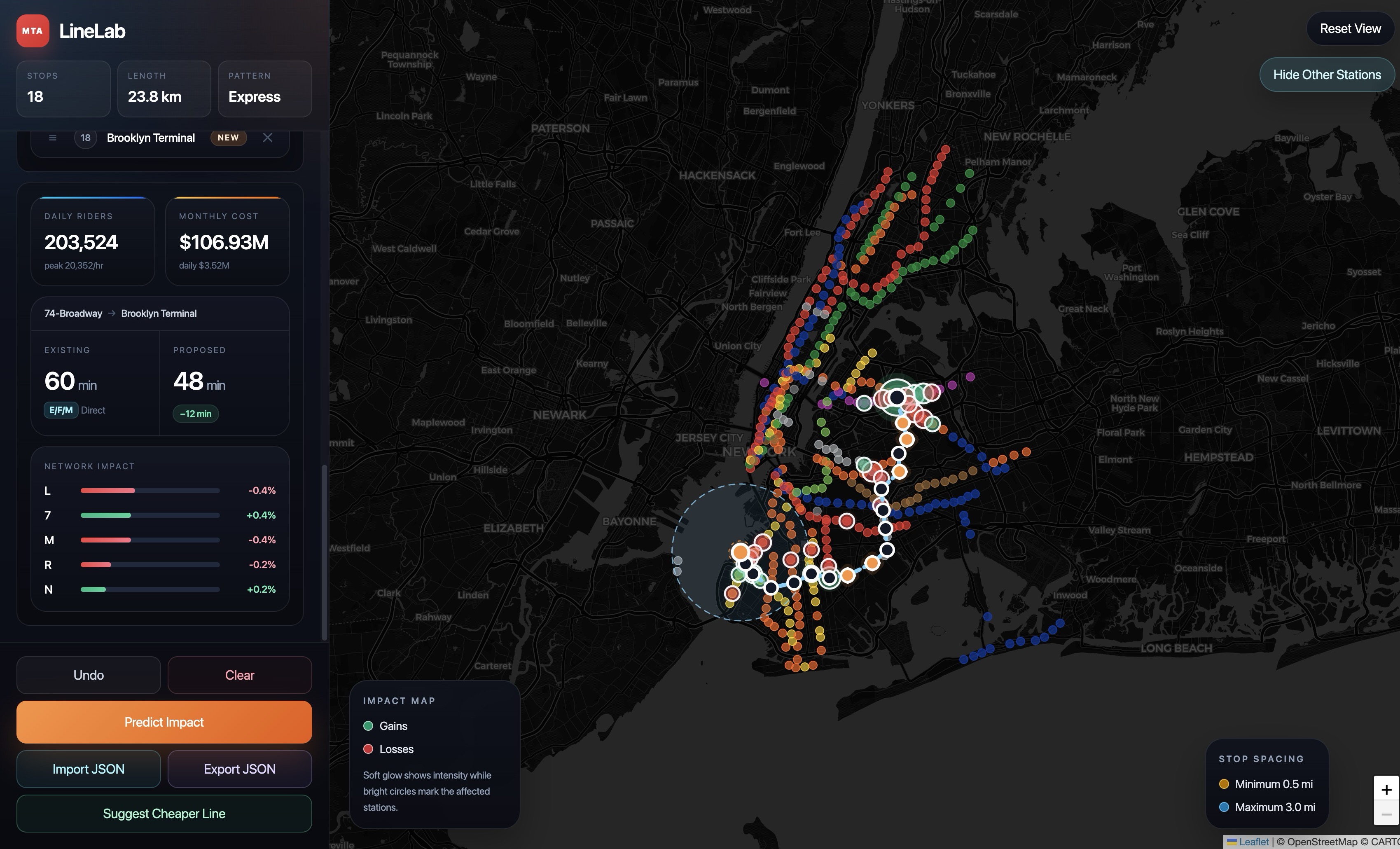
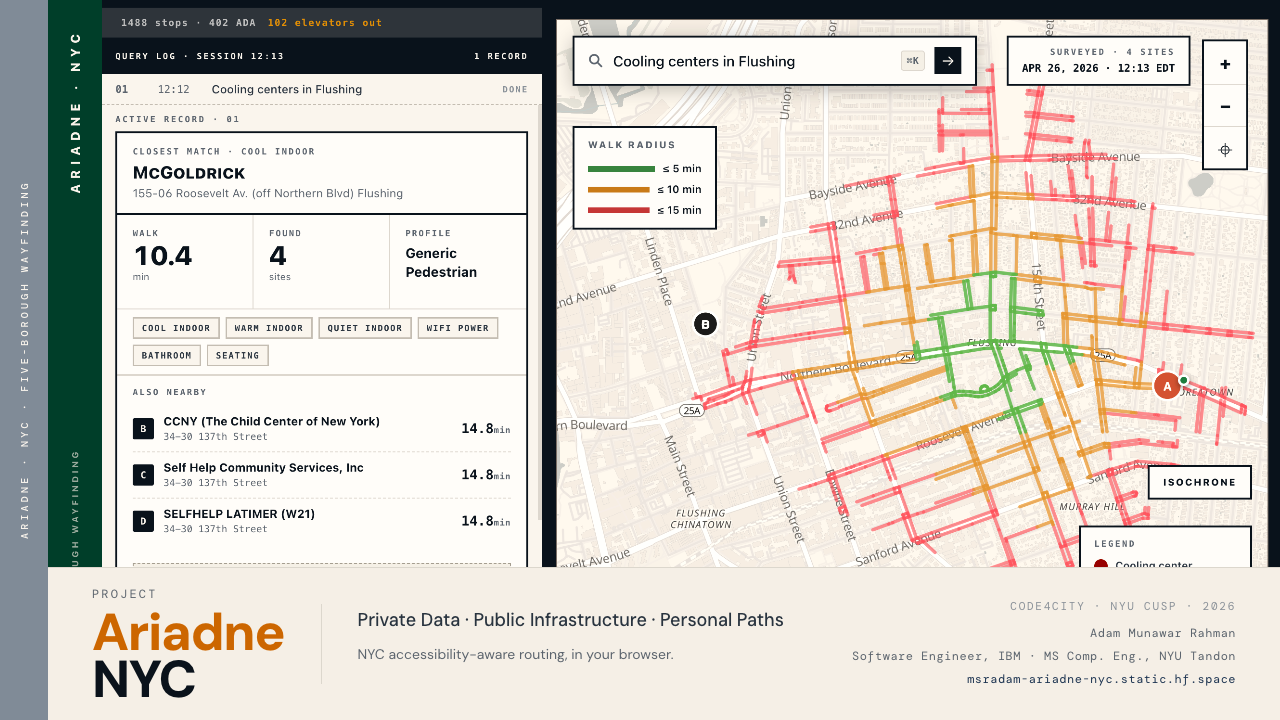
The top projects reflected that range especially well. CascadeOS modeled cascading failures across core infrastructure systems. ZoneMind translated zoning ideas into geospatial policy simulations. LineLab turned transit planning into an interactive sandbox for testing new subway corridors. Project Ariadne NYC added another important dimension by showing what privacy-first accessibility routing could look like directly in the browser. Taken together, the projects made a strong case that useful city technology can be ambitious, technically rich, and still understandable.

Behind the scenes, the event only worked because of the people who kept it moving. Advisors, executive board members, volunteers, sponsors, and partners all played a real role in creating the space for the work to happen. By the end of the day, the awards mattered, but so did the momentum. Teams left not just with placements, but with feedback, visibility, and in several cases a real next step.
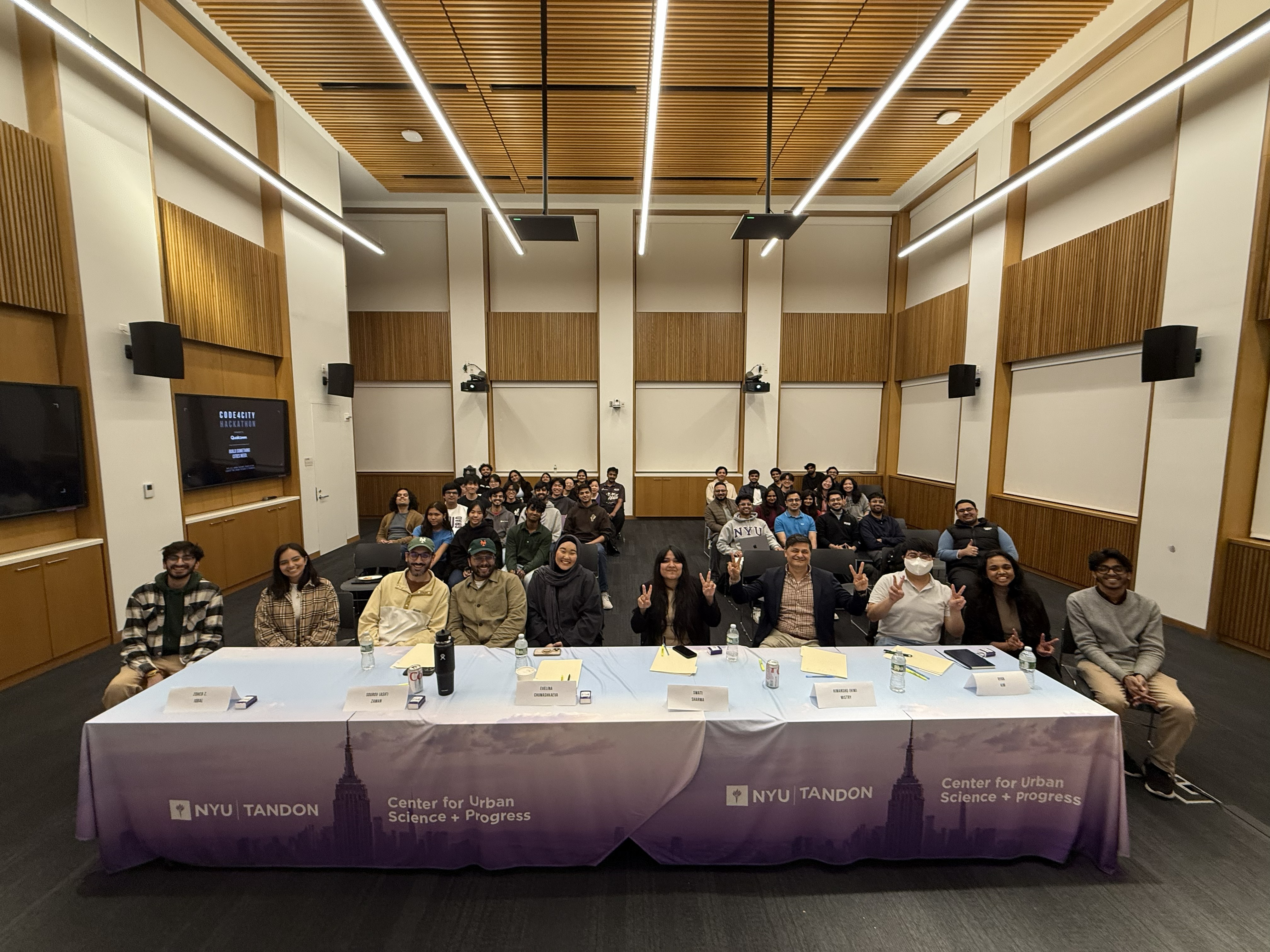
Code4City participants presenting and networking

Presentations, feedback, and closing conversations

Winners

Top teams and projects

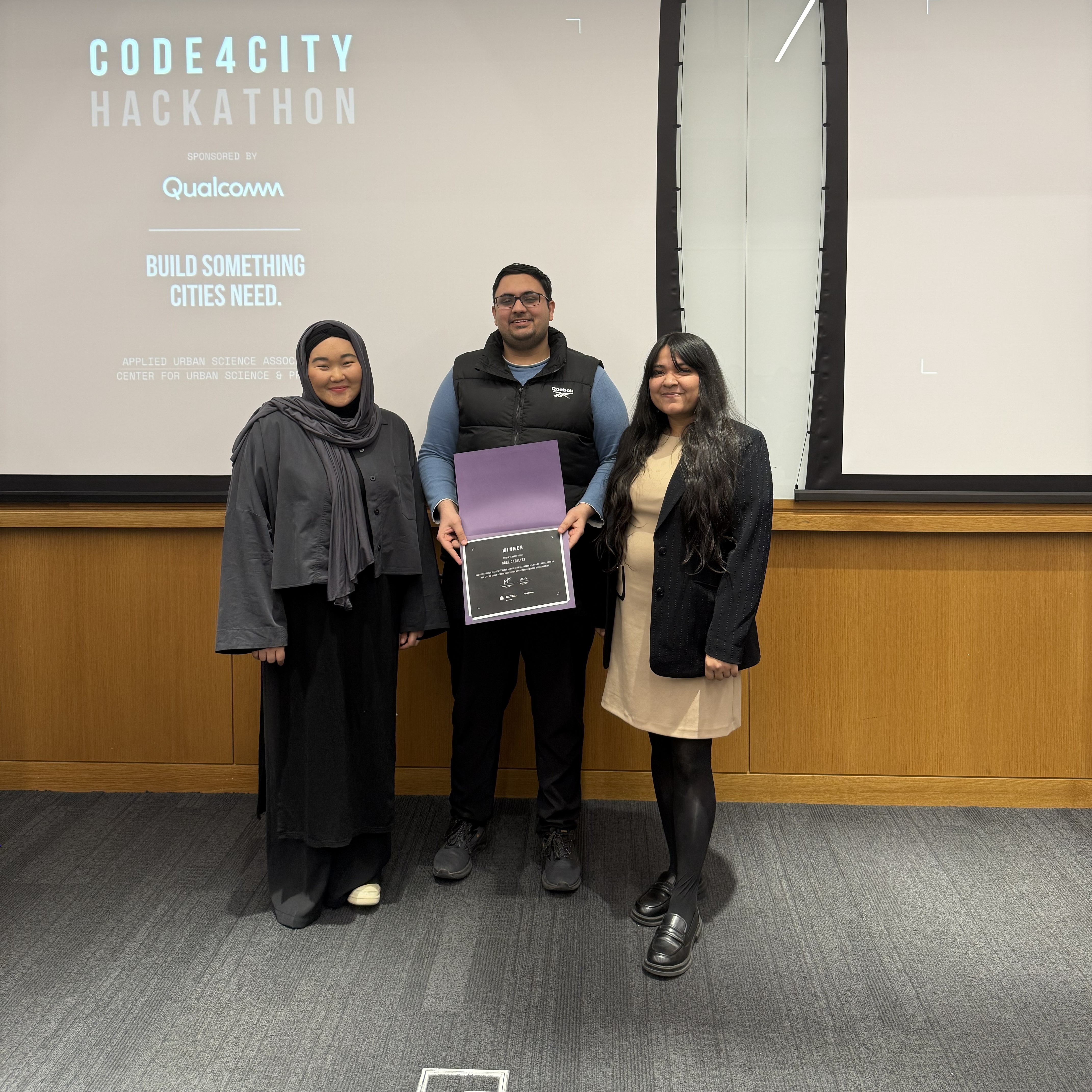
Core Catalyst team winner photo
1st Place

Core Catalyst

$500 prize

Project: CascadeOS

Raunak Choudhary built CascadeOS, a multi-agent urban infrastructure intelligence system for New York City. It predicts how failures can cascade across water, transit, health, and emergency systems, then helps city officials understand the impact through live maps, agent alerts, rerouting, camera signals, and generated briefings.

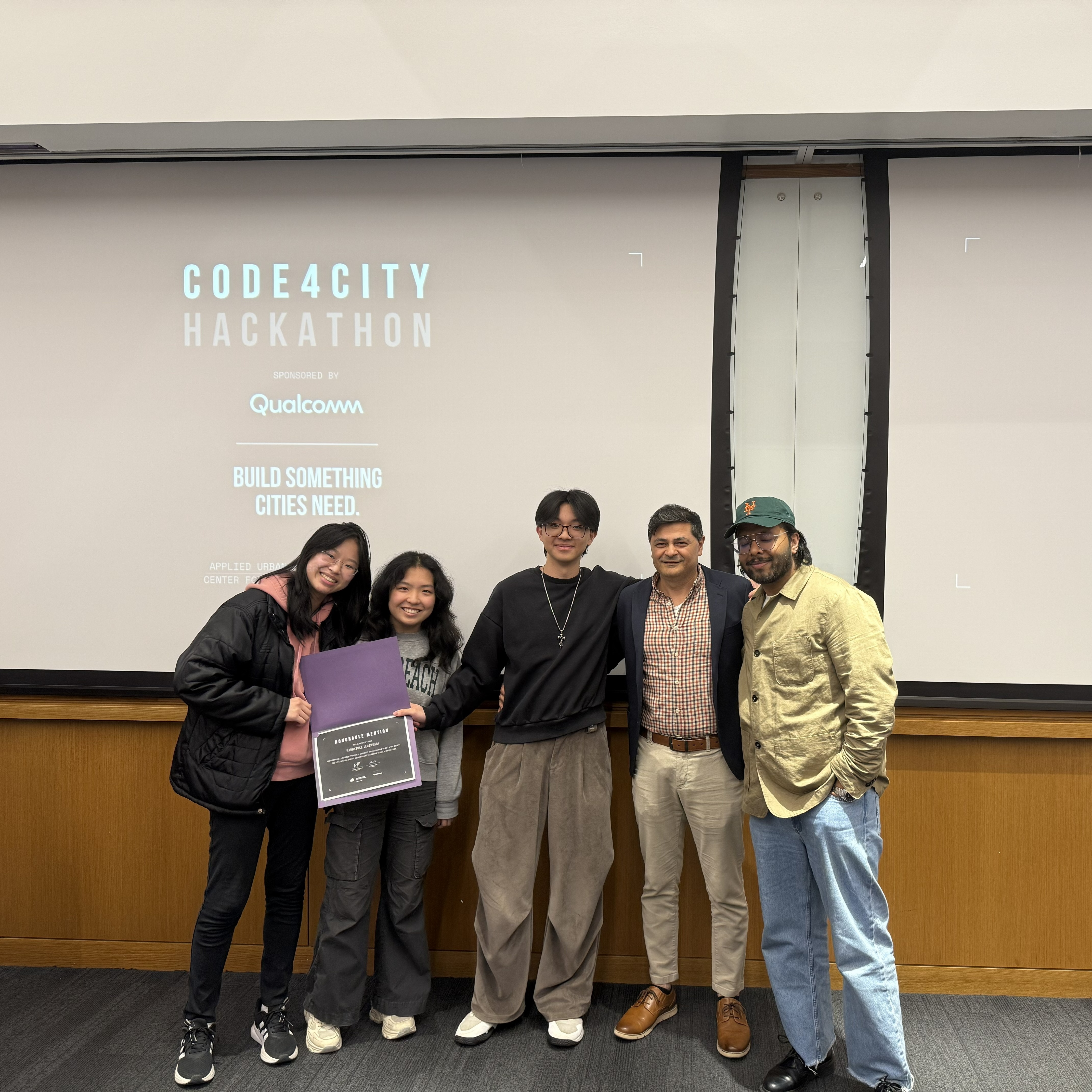
Hardstuck Legendary team winner photo
2nd Place

Hardstuck Legendary

$200 prize

Project: ZoneMind

Elyse Yan, Sophia Wang, and William Jun Ma built ZoneMind, an AI-powered zoning policy simulator that turns natural language rezoning ideas into geospatial simulations. It estimates housing potential, highlights displacement risk, and generates a policy brief with key tradeoffs and recommendations.

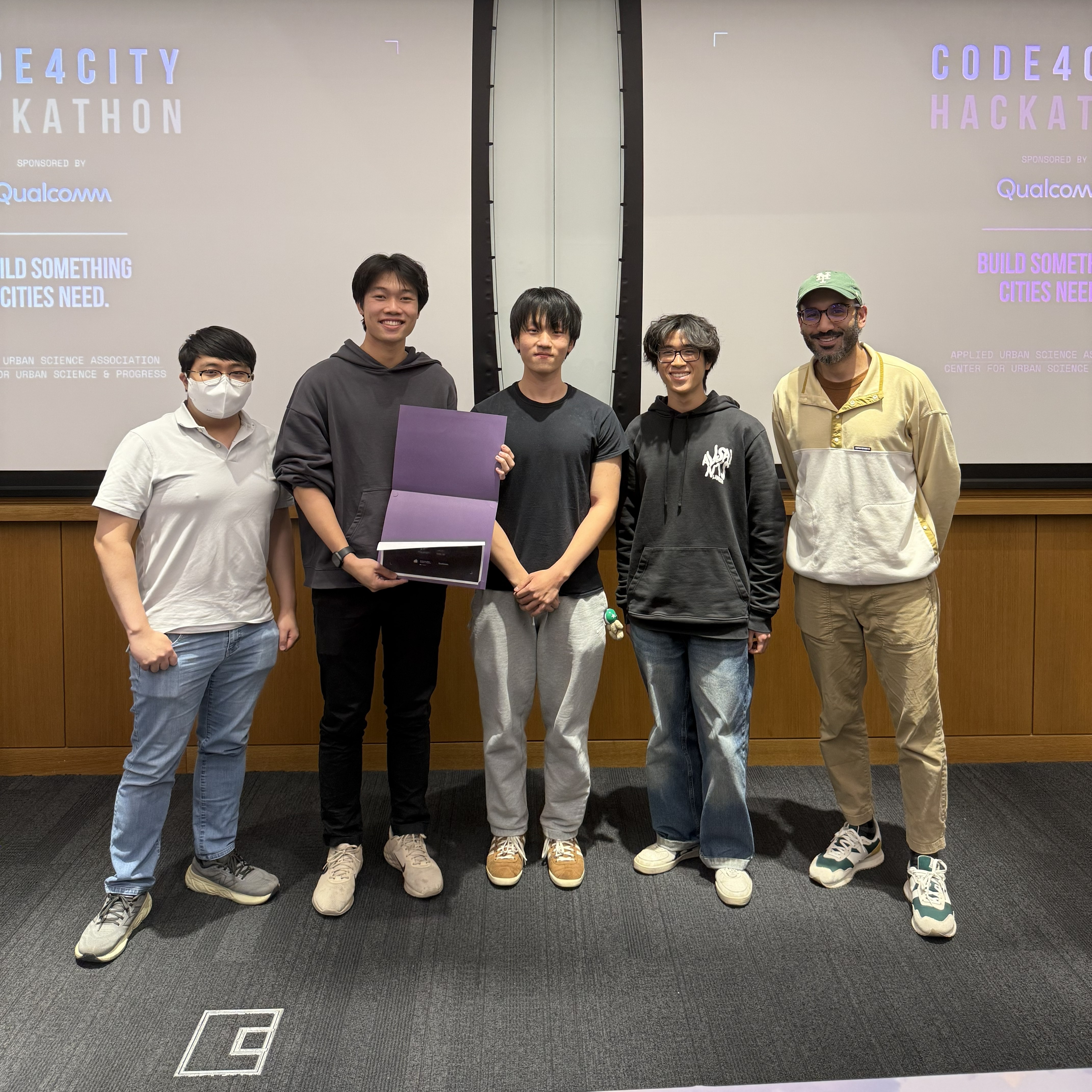
Highball team winner photo
3rd Place

Highball

$100 prize

Project: LineLab

Bhrugu Setlur, Brayden Louie, Carson Lo, and Sihoon Kim built LineLab, an NYC transit planning sandbox for drafting proposed subway corridors, simulating demand impact, and comparing proposed travel time and cost against current service.

Featured Projects

Selected work from the day

CascadeOS project cover
Urban infrastructure intelligence
1st Place

CascadeOS

Team Core Catalyst

CascadeOS is a multi-agent urban infrastructure intelligence system that predicts how localized failures cascade across water, transit, health, and emergency networks in New York City. It combines graph algorithms, multi-agent reasoning, and computer vision into a live operational view of city-scale resilience.

ZoneMind project cover
AI zoning policy simulator
2nd Place

ZoneMind

Team Hardstuck Legendary

ZoneMind is an AI-powered zoning policy simulator that lets users test rezoning proposals in plain English. It maps affected parcels in Manhattan, estimates potential new housing units, scores displacement risk, and generates a policy brief with key tradeoffs and recommendations.

LineLab project cover
Transit planning sandbox
3rd Place

LineLab

Team Highball

LineLab is an NYC transit planning sandbox for drafting proposed subway corridors, simulating demand impact, and comparing proposed travel time and cost against current service.

Project Ariadne NYC project cover
Privacy-first accessibility routing

Project Ariadne NYC

Team Ar[IA]dne

Project Ariadne NYC is a browser-based, privacy-first accessibility routing assistant for New York City. It runs entirely offline in the browser using WebGPU. It accepts plain-English route requests and returns turn-by-turn directions informed by curb cuts, elevator outages, surface quality, and shade.

Judges

People who evaluated the projects

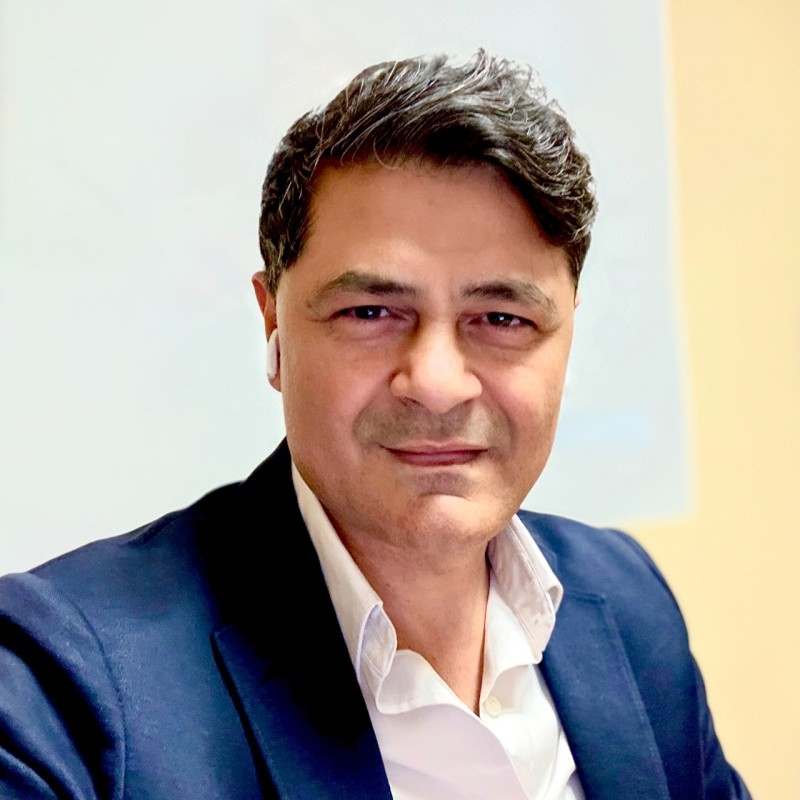
Himanshu Mistry

Himanshu Mistry

Co-Head of Data Services and Director, RIT, New York University
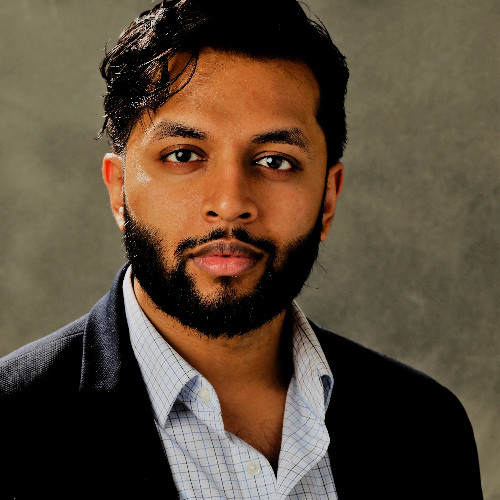
Ryan Kim

Ryan Kim

PhD, Department of Computer Science and Engineering, NYU Tandon
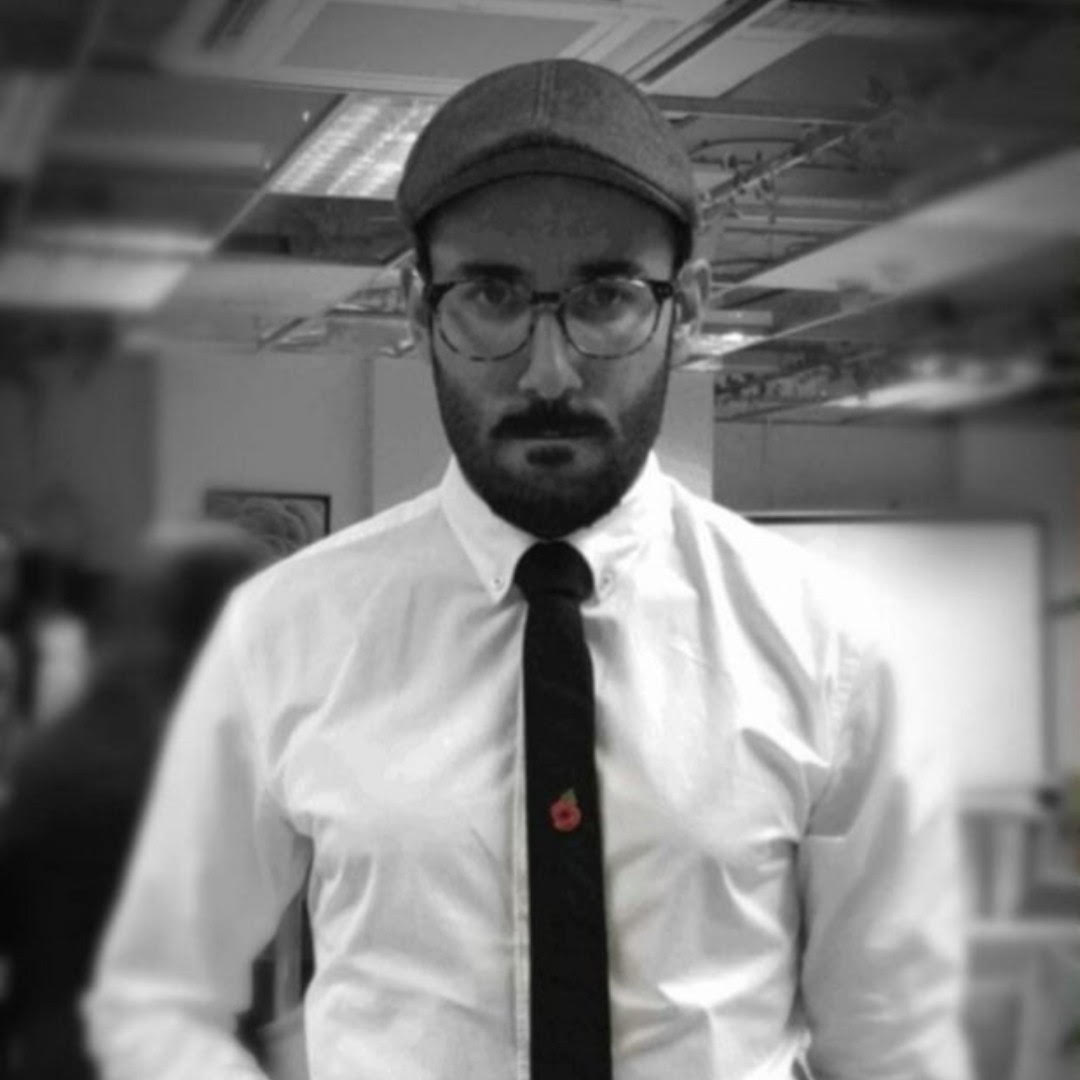
Zoheb Iqbal

Zoheb Iqbal

Techstars Community Programs

Event Details

Format and structure

Code4City ran as a 12-hour event with 8 hours dedicated to building. Teams could participate solo or with up to four members. Participants were asked to submit a short project proposal during registration, and teams were selected based on clarity, feasibility, and alignment with urban challenges. The event was open to anyone interested in building urban solutions, not just students.

The day included check-in, opening remarks, a full hacking session, project presentations and demos, judging and deliberation, and then awards, closing, and networking.

  • 1st Place: $500 cash prize
  • 2nd Place: $200 cash prize
  • 3rd Place: $100 cash prize

Partners and Organisers

People and institutions behind the event

A special thank you goes to advisor Peter Huu Tran, Shannon Werle, Manohar Patole, and Anton Rozhkov for their support. The event was also made possible by the work of Abhishek Kumar, Snigdha Anantharaju, Kunjal Bhatta, Chaitanya Kukreja, and Zhiwei Xie from the Executive Board, along with volunteers Shourya Dokania, Michael Okoro, and Zipei Zhao.

Interested in sponsoring future editions of Code4City? Reach out to the Applied Urban Science Association through the contact page.