Recap
Code4City
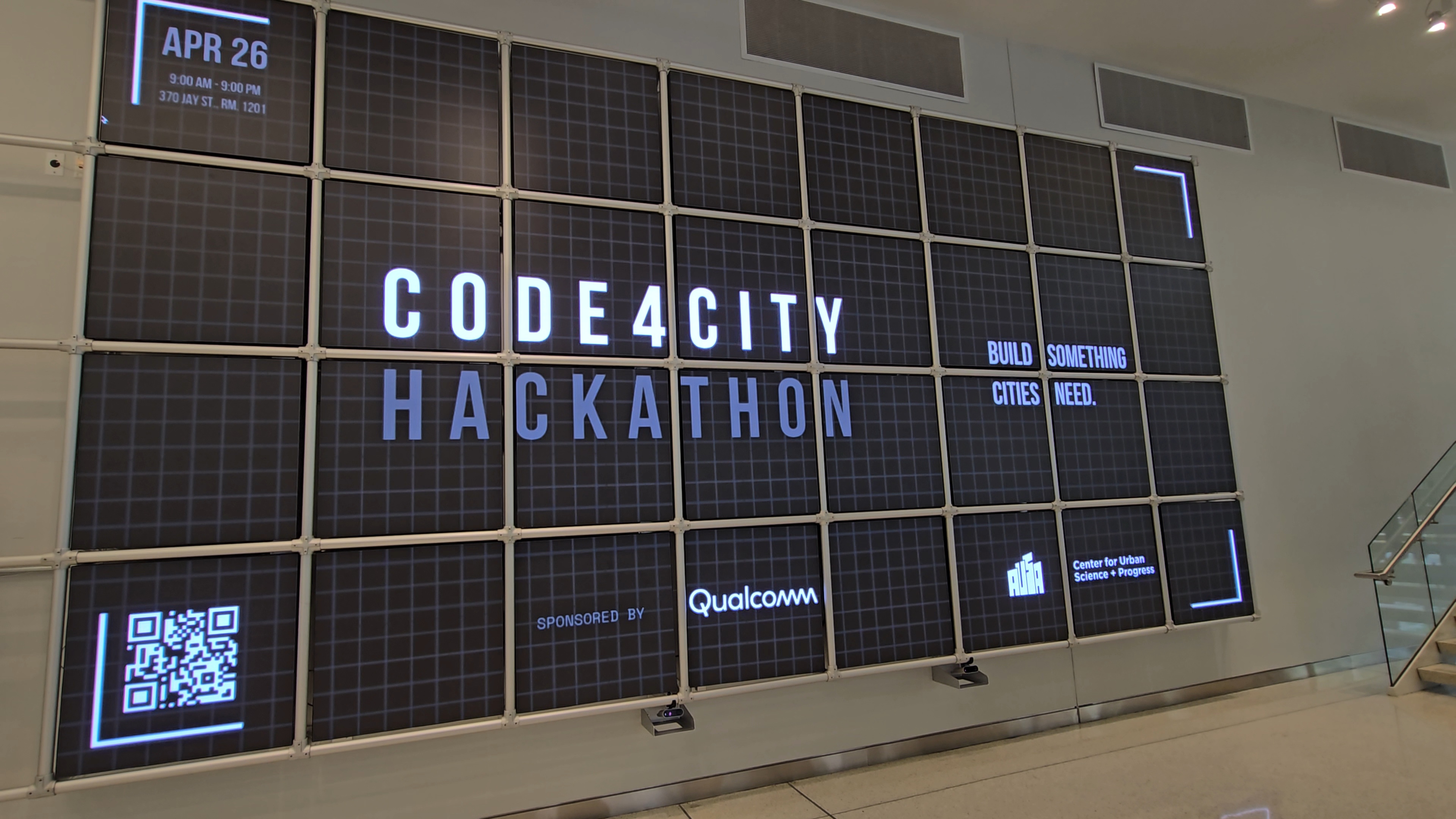
What can be built in 12 hours? At Code4City, quite a lot. Hosted at NYU Tandon School of Engineering, the hackathon brought together people who cared about urban systems and gave them a tight timeline, interesting constraints, and meaningful problems to work on. The result was a room full of projects that did not just demo well, but felt grounded in real civic use cases.
Participants built with a clear sense of purpose. Some teams focused on helping people move through the city more intelligently. Others explored zoning policy, infrastructure resilience, and accessibility. The throughline was that the work stayed close to city reality. Instead of abstract AI prototypes, teams built systems that could help explain tradeoffs, surface hidden risks, or make urban data more legible to the people who need it.
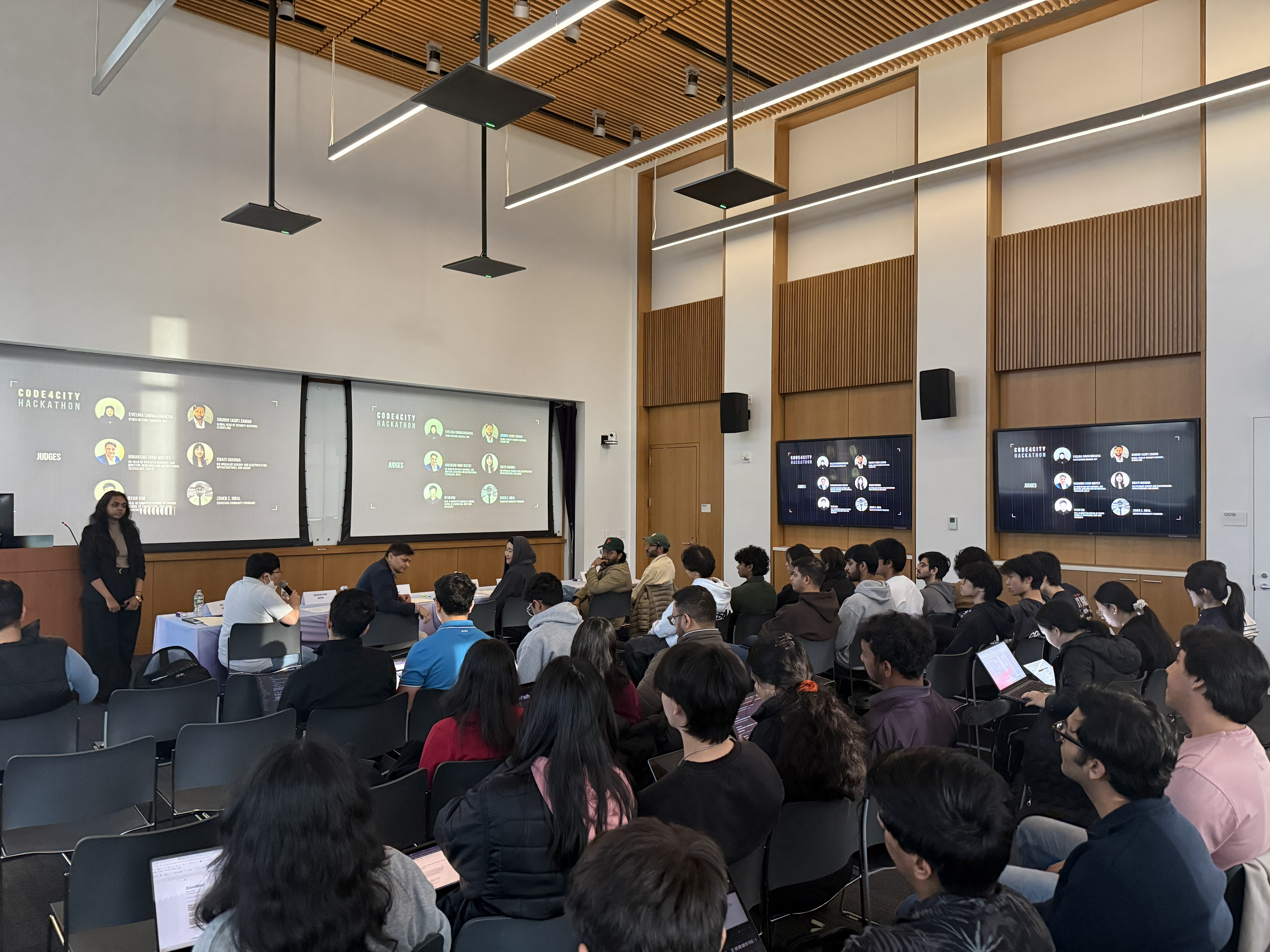
Participants building during Code4City
Support during the event came through mentors, curated tutorials, technical guidance, and pre-final demo feedback. That structure helped teams move faster without losing ambition. It also made the event feel collaborative rather than purely competitive. People were clearly pushing to build strong projects, but there was also a visible sense that everyone was there to help ideas become more concrete and more useful.
The judges brought a strong mix of industry, research, infrastructure, and community-building perspectives. Their feedback reinforced something the event already made visible: urban science is full of difficult, high-value problems, and when interdisciplinary teams get access to data, domain context, and a real deadline, the results can be surprisingly mature. Several projects gave a real sneak peek into what city-focused tools could become if taken beyond a single hackathon day.
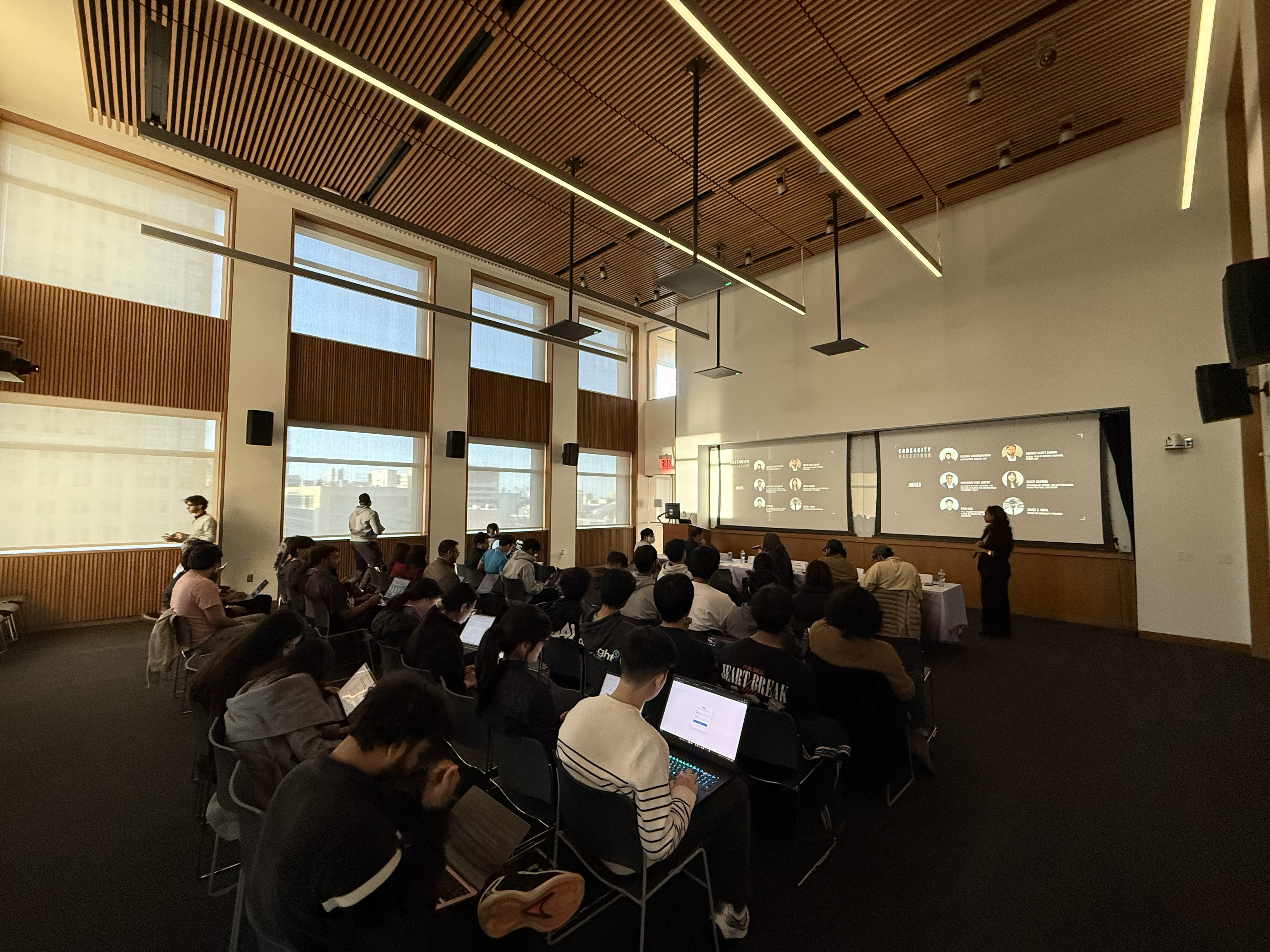
Teams collaborating throughout the day
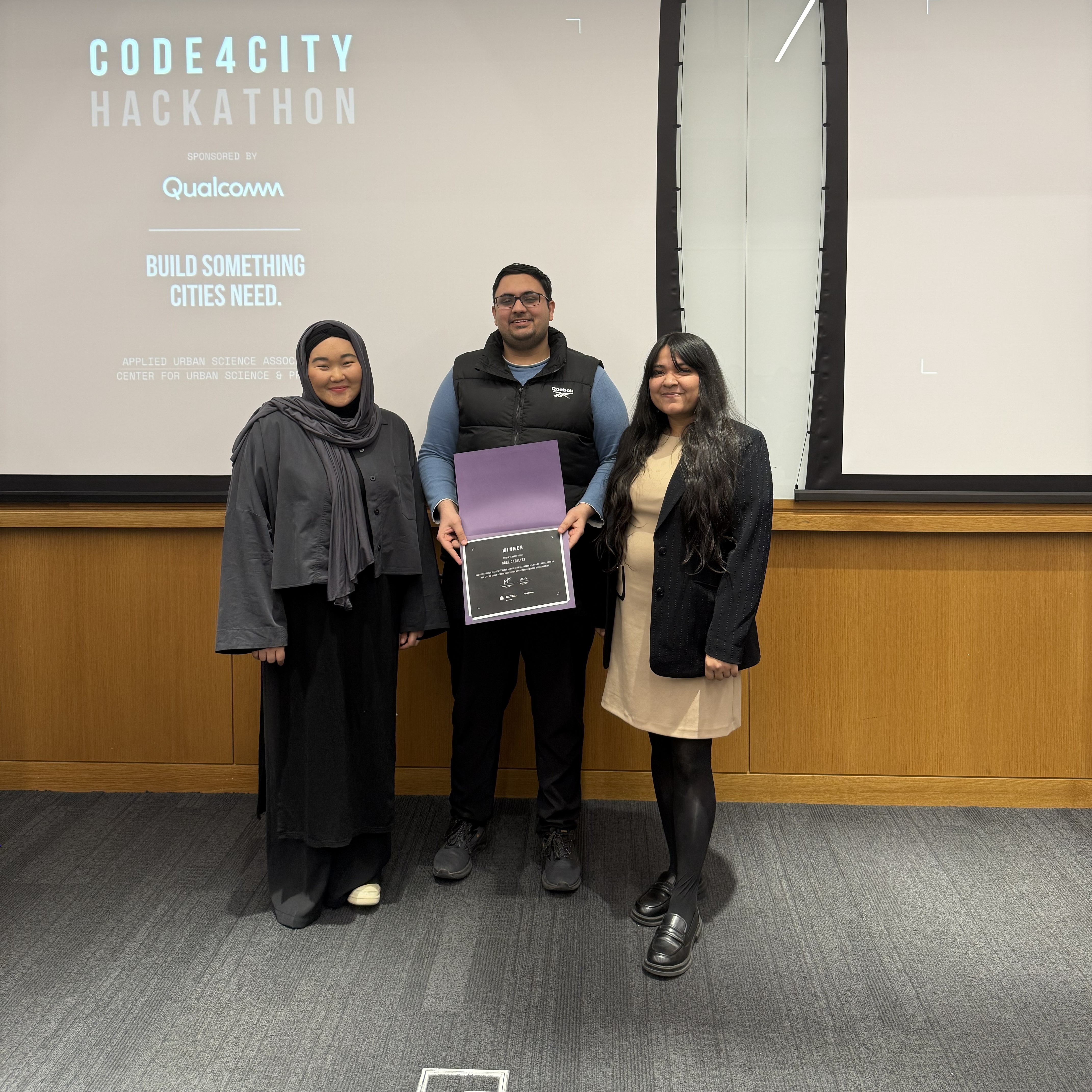
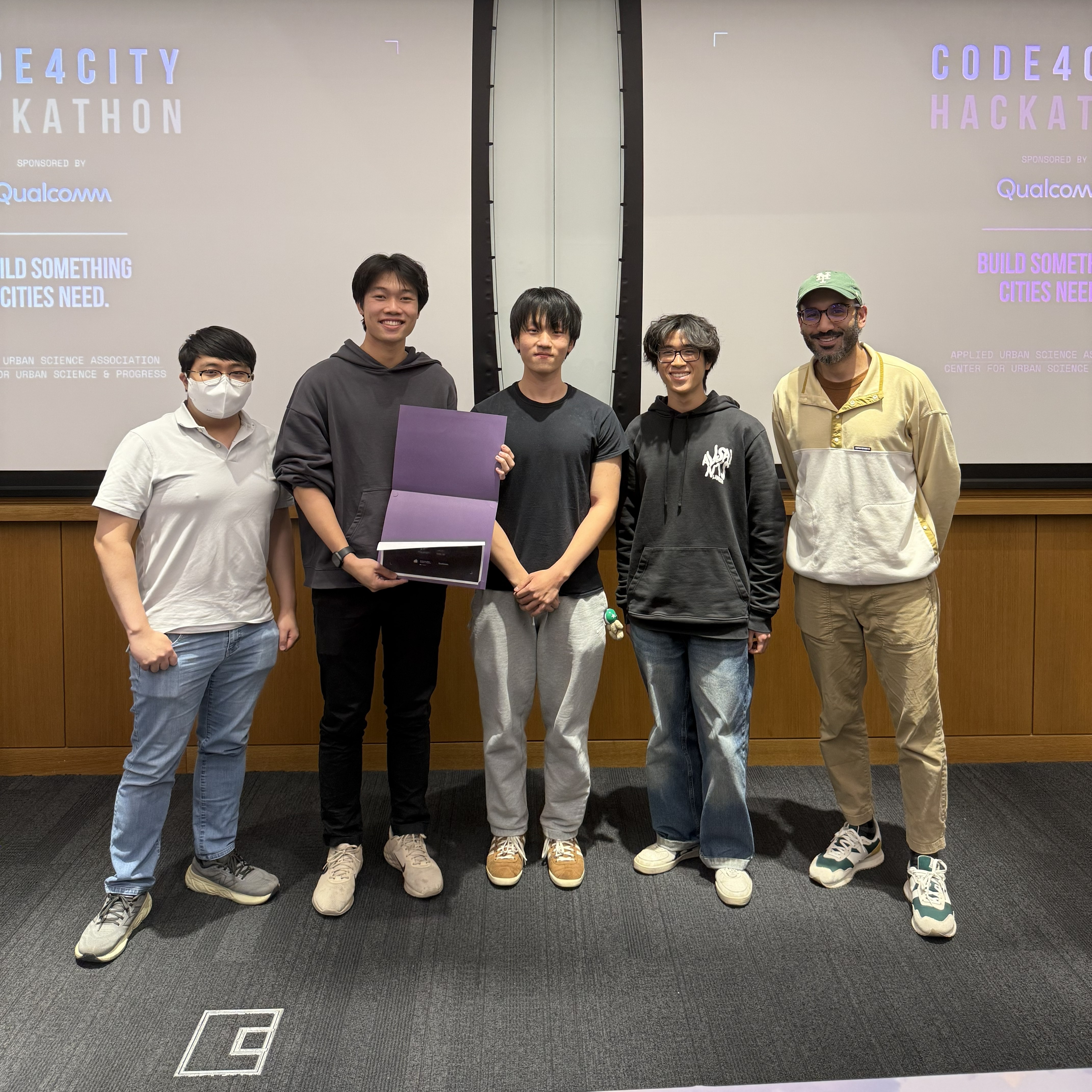
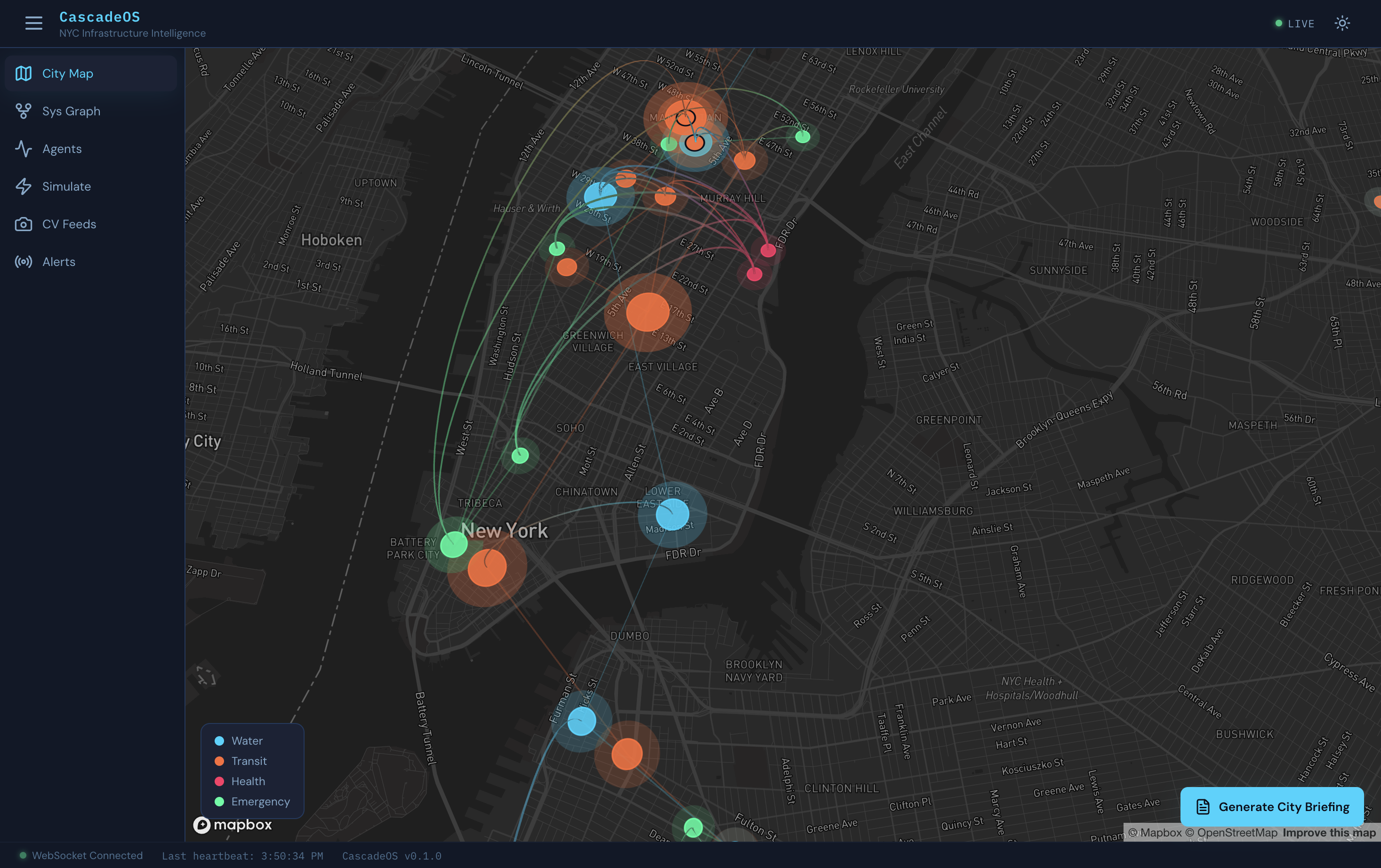
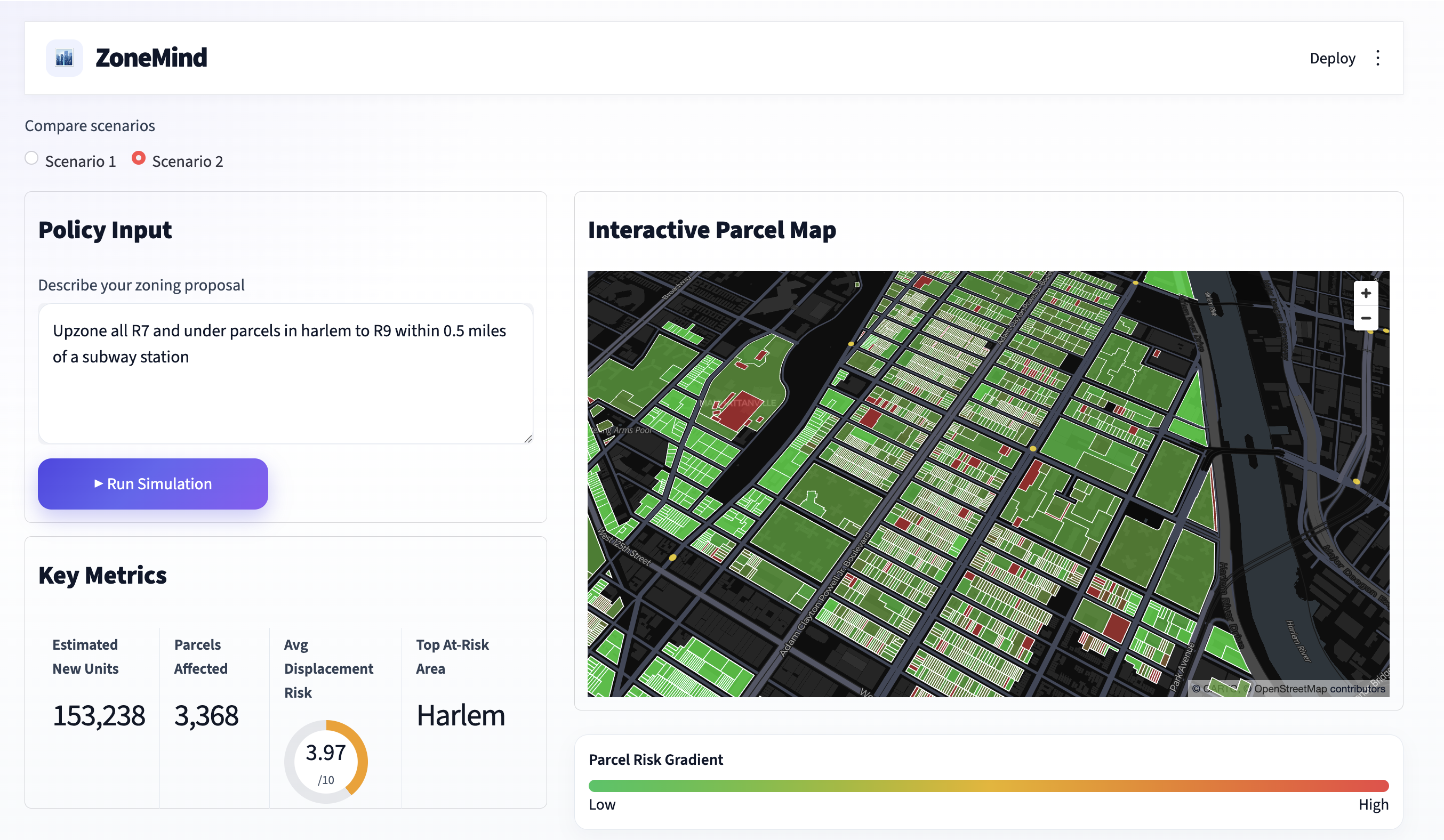
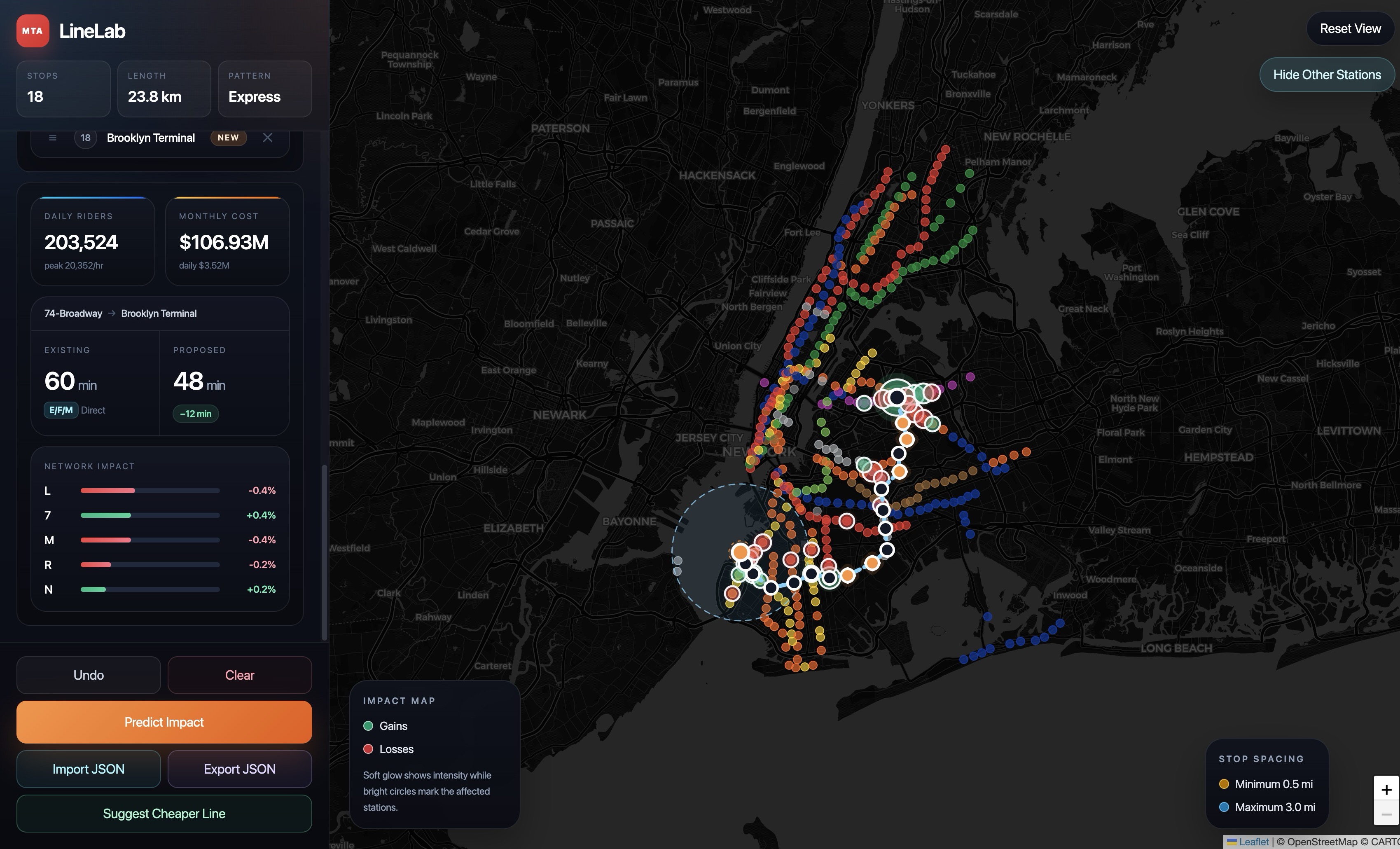
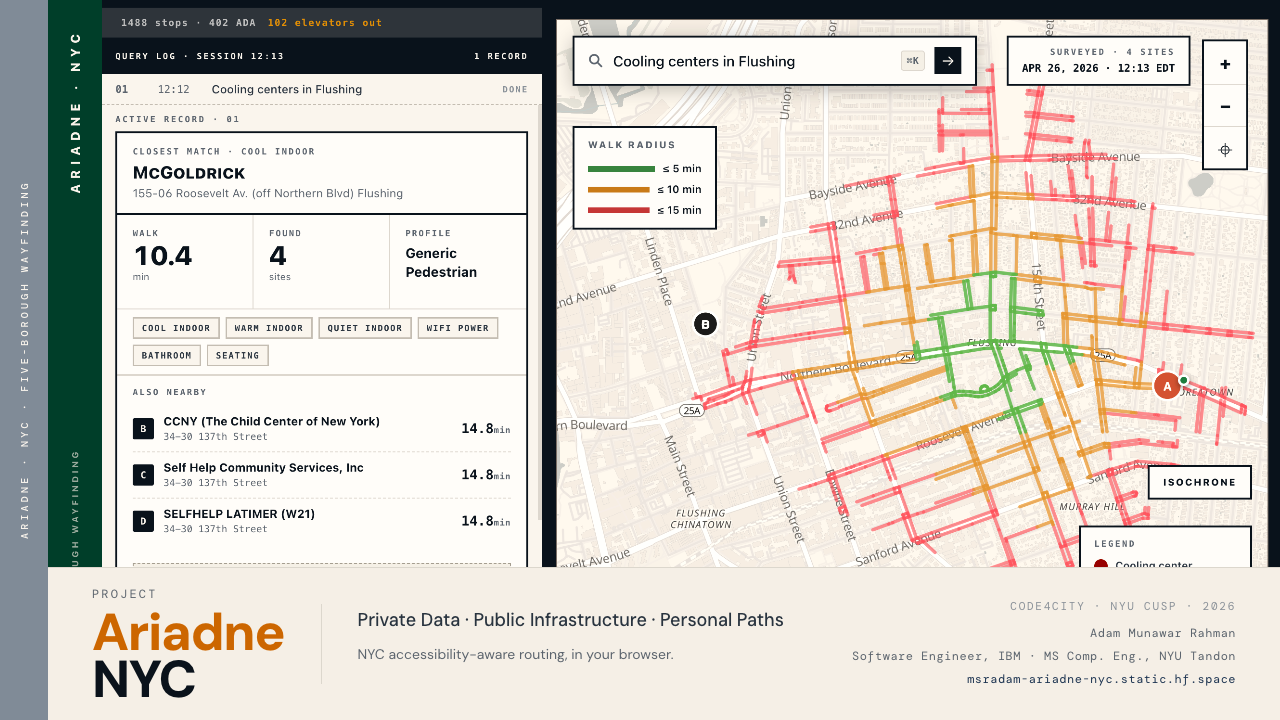
The top projects reflected that range especially well. CascadeOS modeled cascading failures across core infrastructure systems. ZoneMind translated zoning ideas into geospatial policy simulations. LineLab turned transit planning into an interactive sandbox for testing new subway corridors. Project Ariadne NYC added another important dimension by showing what privacy-first accessibility routing could look like directly in the browser. Taken together, the projects made a strong case that useful city technology can be ambitious, technically rich, and still understandable.
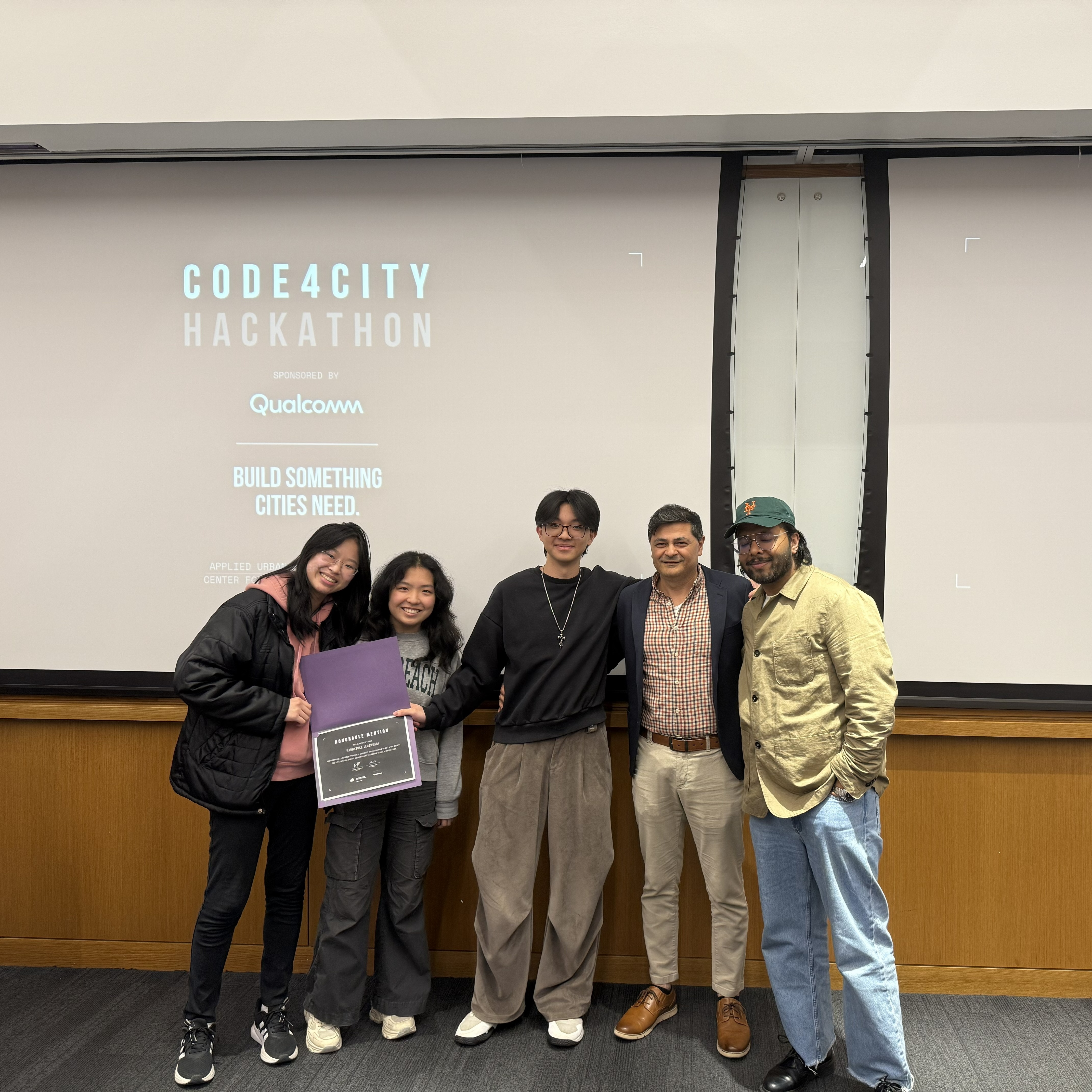
Behind the scenes, the event only worked because of the people who kept it moving. Advisors, executive board members, volunteers, sponsors, and partners all played a real role in creating the space for the work to happen. By the end of the day, the awards mattered, but so did the momentum. Teams left not just with placements, but with feedback, visibility, and in several cases a real next step.
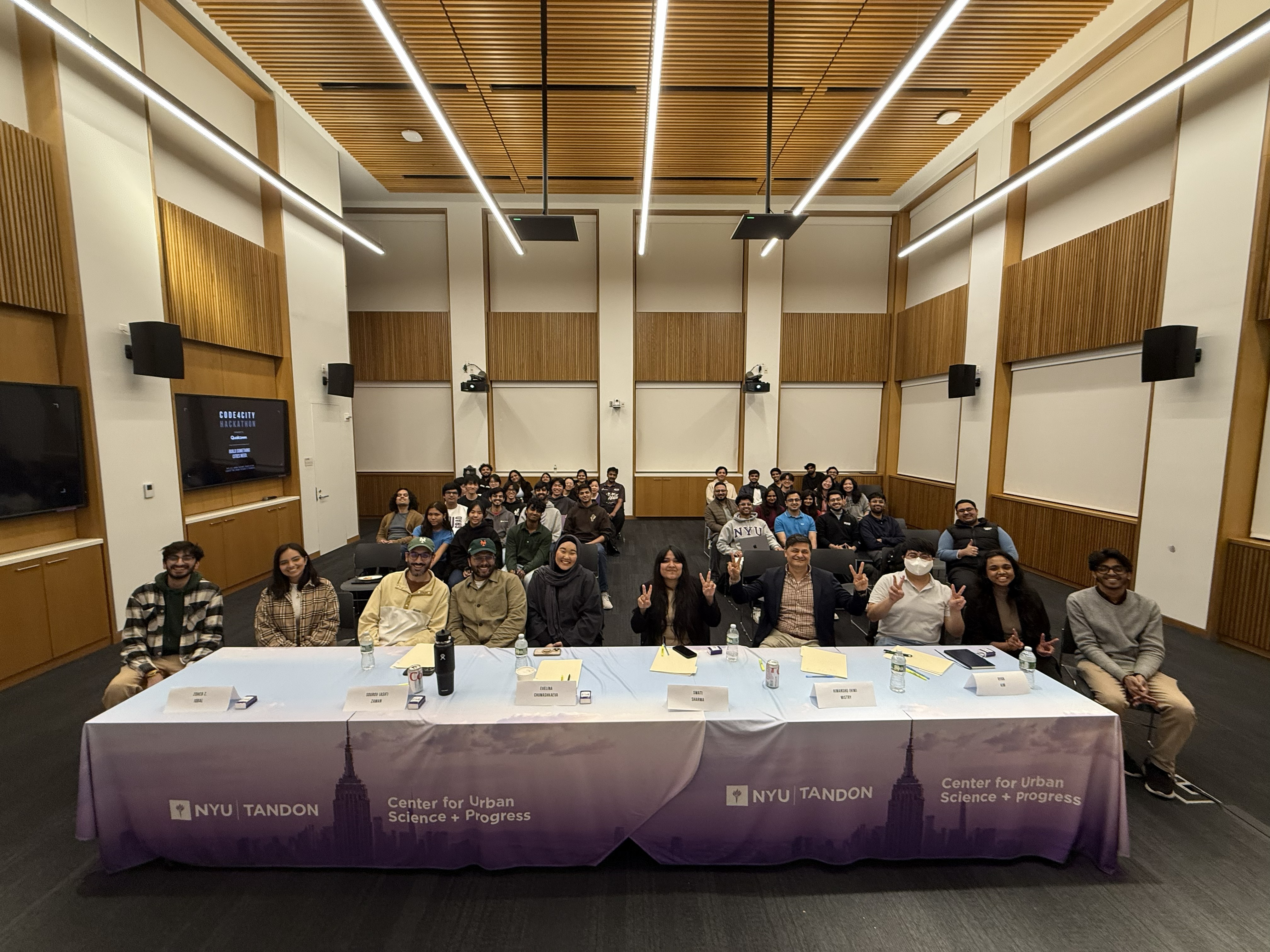
Presentations, feedback, and closing conversations